Table of Contents
- Is Cabinet Painting Worth the Money? The Honest Answer
- Cost to Paint Kitchen Cabinets: A Full Pricing Breakdown
- Cabinet Painting vs Refacing vs Replacing: Which Wins?
- DIY Cabinet Painting vs Professional: Which Is Right for You?
- The Professional Cabinet Painting Process Explained
- Is Cabinet Painting Worth It for Resale Value and ROI?
- Common Mistakes That Make Cabinet Painting Not Worth It
- Conclusion: Making the Right Call for Your Kitchen
Last Updated: May 12, 2026
Is Cabinet Painting Worth the Money? The Honest Answer
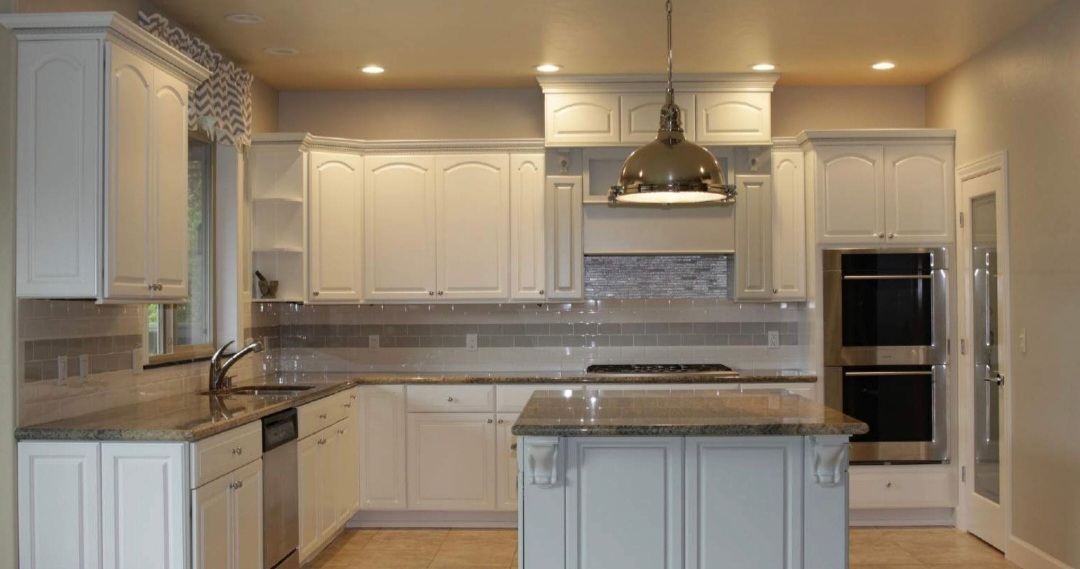
Asking whether is cabinet painting worth the money is one of the most common questions homeowners face before a kitchen refresh. At Denver Cabinet Painting Colorado, we’ve worked through this decision with thousands of clients over 40 years, and the honest answer is: it depends on three things, your cabinet substrate, your finish expectations, and your timeline. Cabinet painting is the process of applying a durable topcoat system to existing cabinet boxes and doors to achieve a fresh, modern look without full replacement. Done correctly, it delivers a transformation that rivals a full remodel at a fraction of the cost.
Here’s what most guides get wrong: they treat cabinet painting as a single, uniform service. It isn’t. The outcome varies enormously based on surface preparation, paint selection, and application method. A rushed DIY job with the wrong primer will chip within months. A professional job with proper degreasing, scuff sanding, and a urethane trim enamel can last a decade or more.
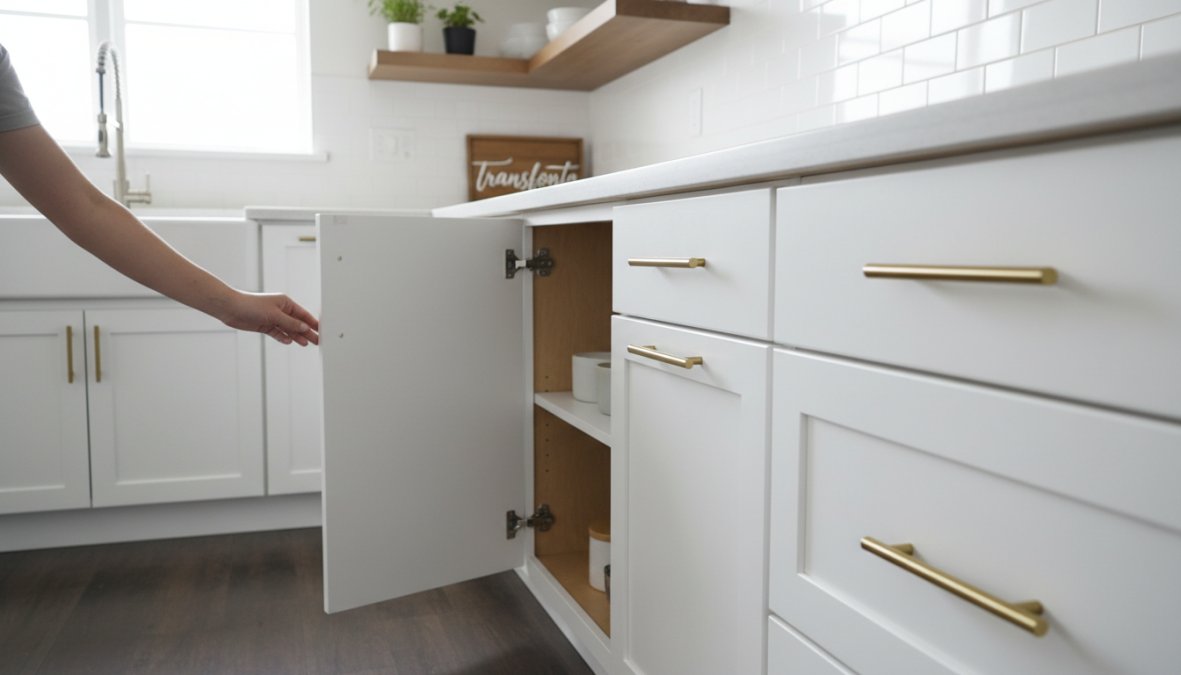
Below, we’ll walk you through exactly when cabinet painting makes financial sense, what it actually costs, and how to decide between DIY and professional approaches.
When Cabinet Painting Makes Financial Sense
Cabinet painting makes the most financial sense when your cabinet boxes are structurally sound, your layout works for your lifestyle, and you want a modern look without the cost and disruption of a full kitchen remodel. If the cabinet substrate, whether solid wood, plywood, or MDF, is free from water damage, warping, or delamination, painting is a legitimate long-term solution.
Kitchens where the existing layout functions well are ideal candidates. You’re not paying for demo and disposal, new cabinet boxes, or installation labor. You’re investing in surface preparation and a durable finish system. For homeowners who want to update the aesthetic before listing a property, cabinet painting offers one of the cleaner ROI plays in home improvement.
If your cabinets are structurally solid and the layout works, painting is almost always the smarter financial move over replacement. The structural integrity of the cabinet box is the deciding factor.
When You Should Consider Full Replacement Instead
Full replacement makes sense when cabinet boxes show signs of serious water damage, the cabinet substrate is failing (common in older particleboard construction), or the layout itself is the problem. Painting over damaged surfaces doesn’t fix structural issues, it hides them temporarily and creates a more expensive problem later.
Watch for these warning signs:
- Swollen or soft cabinet boxes near the sink or dishwasher
- Doors that no longer hang level due to frame warping
- Laminate or thermofoil that has already begun peeling from the substrate
- A layout that wastes space or doesn’t meet current needs
If you’re dealing with any of these, budget for replacement. Painting won’t save money if the underlying structure fails within two years.
Cost to Paint Kitchen Cabinets: A Full Pricing Breakdown
The cost to paint kitchen cabinets ranges widely depending on kitchen size, cabinet condition, and whether you hire a professional or tackle it yourself. Understanding the full cost picture, not just the paint, is what separates a good budget from a bad surprise.
DIY Material Costs vs. Professional Labor Estimates
For a DIY approach, material costs for a typical kitchen run roughly as follows:
- Primer: Products like Sherwin-Williams Extreme Bond Primer run approximately $50-$70 per gallon, and most kitchens require one to two gallons
- Topcoat paint: Benjamin Moore Advance Waterborne Alkyd runs approximately $70-$90 per gallon; Sherwin-Williams Emerald Urethane Trim Enamel runs approximately $80-$100 per gallon
- Applicators: Quality brushes like the Purdy Nylox Glide run $15-$25 each; foam mini rollers from Purdy run $5-$10 per pack
- Sprayer (optional): A Graco Magnum X5 airless sprayer runs approximately $300-$400 if you want a factory finish
Total DIY material costs for an average kitchen typically fall in the range of several hundred dollars, depending on cabinet count and whether you already own tools.
Professional labor adds significantly to that figure. Contractors typically price jobs by linear feet of cabinetry or by door count. Expect professional cabinet painting to cost more than DIY, but the gap narrows considerably when you factor in your time, the quality of finish, and the likelihood of needing touch-ups.
Hidden Costs Most Homeowners Overlook
The hidden costs of cabinet painting are where most DIY budgets fall apart:
- Kitchen downtime: Professional jobs typically require 2-5 days of limited kitchen access. DIY projects often stretch to two or three weekends, meaning extended disruption.
- Hardware replacement: New pulls and hinges are rarely included in painting quotes but make a significant visual difference. Budget for hardware replacement separately.
- Touch-ups: Lower-quality paint systems often require touch-ups within the first year. Using a budget topcoat to save money frequently costs more in the long run.
- VOC exposure: Oil-based paint and some hybrid paints have higher VOC levels, which may require temporary relocation during application and curing. This is a real cost that rarely appears in estimates.
According to EPA guidance on VOCs in interior paints, proper ventilation during painting is essential for indoor air quality, particularly with alkyd-based products.
Skipping the degreasing step is the single most common reason cabinet paint fails early. No amount of high-quality topcoat compensates for grease contamination on the cabinet surface. Chipping and peeling within months is the predictable result.
Cabinet Painting vs Refacing vs Replacing: Which Wins?
The choice between painting, refacing, and replacing cabinets comes down to budget, structural condition, and how much change you actually need. Each option serves a different situation.
Side-by-Side Comparison Table
| Option | Relative Cost | Best For | Typical Lifespan | Kitchen Downtime |
|---|---|---|---|---|
| Cabinet Painting | Lowest | Sound cabinets, cosmetic update | 7-15 years (professional) | 2-5 days |
| Cabinet Refacing | Mid-range | Good boxes, outdated doors | 10-15 years | 3-5 days |
| Full Replacement | Highest | Damaged boxes, layout change | 20+ years | 2-6 weeks |
| DIY Painting | Lowest upfront | Budget-conscious, small kitchens | 2-7 years | 1-3 weekends |
Cabinet refacing replaces the cabinet doors and drawer fronts while keeping the existing cabinet boxes. It costs more than painting but less than full replacement. The right choice depends on whether your doors are the problem or whether the entire finish system has failed.
Full replacement makes sense for fixer upper properties where the existing layout is fundamentally wrong, or where water damage has compromised the cabinet boxes. The demo and disposal costs alone make replacement the most expensive path by a significant margin.
For most homeowners with structurally sound kitchens, professional cabinet painting delivers the best combination of cost, result quality, and resale value impact.
DIY Cabinet Painting vs Professional: Which Is Right for You?
The DIY vs professional decision isn’t just about cost. It’s about realistic outcome expectations and honest self-assessment of your skills and available time.
Pros and Cons of DIY Cabinet Painting
Pros:
- Lower upfront material cost
- Full control over timeline and color selection
- Satisfying for experienced DIY home improvement enthusiasts
- Products like General Finishes Milk Paint and Insl-X Cabinet Coat are genuinely user-friendly
Cons:
- Achieving a factory finish without a sprayer is extremely difficult
- Spraying vs rolling produces visibly different results; rolling leaves texture that many homeowners find disappointing
- Surface preparation is time-consuming and easy to rush
- Mistakes are costly to fix and may require professional remediation
Pros and Cons of Hiring a Professional
Pros:
- Access to professional-grade systems like Sherwin-Williams Gallery Series, which requires spray equipment for best results
- Consistent surface preparation including proper degreasing and scuff sanding
- Faster kitchen turnaround
- Warranty or guarantee on workmanship in many cases
Cons:
- Higher upfront cost than DIY materials alone
- Requires vetting contractors to ensure they use quality primer and topcoat systems
- Scheduling and access coordination
The Decision Framework: 5 Questions to Ask Yourself
Use this checklist before committing to either path:
- Do I have experience with surface preparation and paint application on furniture or trim?
- Am I willing to invest in a quality sprayer (approximately $300-$400) for a smooth finish?
- Can I dedicate two to three full weekends to this project without cutting corners on prep?
- Are my cabinets made of a DIY-friendly substrate (solid wood or plywood rather than thermofoil or laminate)?
- Is my budget flexible enough to hire a professional if the DIY result doesn’t meet expectations?
If you answered "no" to two or more of these, professional cabinet painting is the more reliable choice.
The Professional Cabinet Painting Process Explained
A professional cabinet painting process is a multi-stage system, not a single coat of paint applied over existing surfaces. The quality of the outcome is determined almost entirely by what happens before the first coat of topcoat goes on.
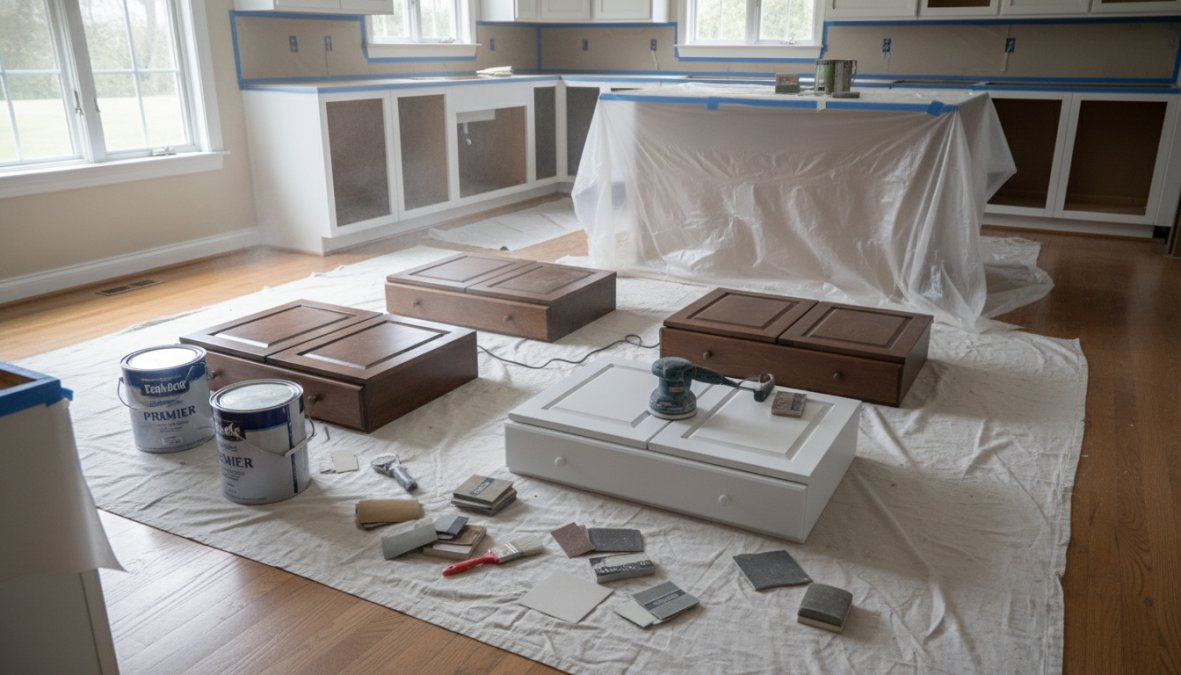
Surface Preparation: Degreasing, Scuff Sanding, and Priming
Surface preparation is where professional results are won or lost. The process follows a specific sequence:
- Remove all cabinet doors, drawer fronts, and hardware. Painting doors in place produces inferior results.
- Degrease all surfaces thoroughly. Kitchen cabinets accumulate grease and cooking residue that prevents paint adhesion. No shortcut here.
- Scuff sanding. Light abrasion with fine-grit sandpaper creates a mechanical bond for the primer. This step is often skipped in low-quality jobs.
- Apply a bonding primer. Products like Sherwin-Williams Extreme Bond Primer are designed for glossy or difficult cabinet substrates. This step is non-negotiable for durability.
- Light sand between primer and topcoat. This removes any raised grain or dust nibs for a smoother final finish.
According to Benjamin Moore’s professional application guidelines, proper surface preparation accounts for the majority of a coating’s long-term performance.
Professional painters often remove cabinet doors and spray them off-site or in a controlled environment. This eliminates overspray risk and allows for better quality control on each door. If a contractor plans to paint doors while they’re still hanging, that’s a red flag worth addressing.
Choosing the Right Paint: Alkyd Enamel, Urethane Trim Enamel, or Hybrid
Paint selection matters more for cabinets than almost any other interior surface. Cabinets take daily abuse: grease, moisture, repeated contact, and cleaning products. Standard latex wall paint will fail quickly.
The three main professional-grade options are:
- Alkyd enamel (oil-based): Traditional choice for hardness and a factory finish. Higher VOCs, longer dry times, but extremely durable. Requires proper ventilation.
- Urethane trim enamel: Products like Sherwin-Williams Emerald Urethane Trim Enamel offer alkyd-level durability with lower VOCs and easier cleanup. Resistant to chipping and scuffing. Currently the most popular professional choice.
- Hybrid waterborne alkyd: Benjamin Moore Advance Waterborne Alkyd combines the smooth self-leveling of oil-based paint with water-based cleanup. Excellent for DIYers who want professional results. Re-coat time up to 16 hours is the main trade-off.
For most residential kitchens in 2026, a urethane trim enamel or hybrid waterborne alkyd over a bonding primer is the standard recommendation from professional painters.
Is Cabinet Painting Worth It for Resale Value and ROI?
Cabinet painting delivers a positive ROI for most homeowners, particularly in the context of pre-sale preparation. A fresh, modern kitchen finish is one of the first things buyers notice, and outdated or worn cabinet finishes are a common reason buyers discount their offers.
The ROI argument is strongest when the alternative is full replacement. Cabinet painting costs a fraction of new cabinetry while producing a comparable visual impact. For homeowners in competitive real estate markets, a professional cabinet painting job can meaningfully improve the perceived value of a kitchen without the timeline or budget of a full kitchen remodel.
According to Remodeling Magazine’s Cost vs. Value report, kitchen updates consistently rank among the highest-ROI home improvement projects for resale purposes.
The ROI case is weaker for homeowners who plan to stay in the home long-term and already have functional, reasonably attractive cabinets. In that scenario, the decision shifts from financial return to quality-of-life improvement, which is still a legitimate reason to invest in professional cabinet painting, just a different one.
Common Mistakes That Make Cabinet Painting Not Worth It
A bad cabinet painting job is worse than no job at all. Chipping, peeling, and brush marks within months of completion are the predictable results of skipping steps. Here are the mistakes that turn a smart investment into a regret:
- Skipping degreasing. Grease contamination is invisible until the paint fails. Thorough cleaning before any sanding is mandatory.
- Using the wrong primer. Standard drywall primer does not bond properly to glossy cabinet surfaces. A dedicated bonding primer is required.
- Painting over damaged cabinet substrate. Swollen MDF or delaminating laminate will telegraph through any paint system.
- Rolling without tipping. Rolling paint onto flat cabinet surfaces without back-brushing or spraying leaves a stippled texture that looks unprofessional.
- Rushing dry times. Applying a second coat before the first has fully cured causes adhesion failure. This is especially common with hybrid paints that have longer re-coat windows.
- Ignoring hardware replacement. New paint on old, worn hardware undercuts the transformation. Hardware replacement is the highest-value add-on in any cabinet painting project.
- Choosing paint based on price alone. Budget topcoats lack the durability needed for kitchen use. The cost difference between a quality urethane trim enamel and a standard latex paint is small compared to the cost of redoing the job.
A common mistake among first-time DIYers is treating cabinet painting like wall painting. The prep requirements, the paint chemistry, and the application technique are fundamentally different. What works on drywall will fail on cabinets.
Outdated kitchen cabinets affect both daily enjoyment and property value, but the solution doesn’t have to mean a full replacement. Denver Cabinet Painting Colorado has spent 40 years helping homeowners across the Denver metro achieve smooth, consistent finishes through meticulous surface preparation and professional-grade application. Their team specializes in cabinet painting, refinishing, and glazing for both residential and commercial clients throughout Colorado. Get a free quote from Denver Cabinet Painting Colorado and find out what a professional finish can do for your kitchen.
Frequently Asked Questions
Is it cheaper to paint cabinets or replace them?
Cabinet painting is significantly cheaper than full replacement in most cases. New kitchen cabinets with professional installation can cost tens of thousands of dollars, while professional cabinet painting typically runs a fraction of that price depending on kitchen size, number of linear feet, and finish quality. For homeowners with structurally sound cabinet boxes and solid substrate, painting delivers a dramatic visual upgrade at a budget-friendly price point, making it the smarter financial choice for most kitchen remodel scenarios.
Do painted kitchen cabinets chip easily?
Chipping depends heavily on surface preparation and paint selection. Cabinets painted without proper degreasing, scuff sanding, and a quality primer are far more prone to chipping and peeling. Using a professional-grade urethane trim enamel or alkyd enamel, applied correctly, produces a hard, durable coating that resists daily wear. DIY projects using standard latex paint without proper prep are the most common source of chipping complaints. A professional cabinet painting process dramatically reduces this risk.
Does painting kitchen cabinets increase home value?
Yes, freshly painted kitchen cabinets can positively impact resale value and buyer perception. A modern look achieved through cabinet painting is one of the most cost-effective kitchen remodel upgrades for ROI. While exact return percentages vary by market, updated cabinets signal a well-maintained home to buyers. In competitive real estate markets like Denver, a clean, factory-finish appearance on cabinet doors and boxes can meaningfully differentiate a listing without the expense of full replacement.
When should you replace cabinets instead of painting them?
Cabinet replacement makes more sense when the structural integrity of the cabinet boxes is compromised, such as water damage, warping, or failing joints. If the cabinet substrate is delaminating, thermofoil is peeling extensively, or the layout no longer suits your needs, painting is a temporary fix at best. Similarly, if hardware replacement and a modern look require a completely new configuration, full replacement or refacing may deliver better long-term value than painting alone.
Is it better to DIY paint cabinets or hire a professional?
It depends on your skill level, available time, and tolerance for kitchen downtime. DIY cabinet painting can reduce labor costs but requires proper surface preparation, the right tools (including spraying vs rolling decisions), and quality materials like a good primer and alkyd enamel. Mistakes are costly to fix. Professional cabinet painters bring experience, specialized equipment, and proven processes that deliver a smoother, more durable factory finish, often with faster turnaround and less disruption to your daily routine.
How long do professionally painted kitchen cabinets last?
With proper surface preparation, including degreasing, scuff sanding, and a quality primer, and the right topcoat such as a urethane trim enamel or hybrid paint, professionally painted kitchen cabinets can last 8 to 15 years or more before needing significant touch-ups or repainting. Durability depends on usage, cleaning habits, and the quality of the original application. High-traffic kitchens benefit most from professional-grade coatings designed to resist chipping, scuffing, and moisture.
This article was written using GrandRanker