Table of Contents
- How to Modernize Kitchen Cabinets Cheaply: A Cost-Benefit Overview
- Best Paint for Kitchen Cabinets: Choosing the Right Finish
- Modern Kitchen Cabinet Hardware Trends: Swapping Knobs and Pulls
- How to Install Cabinet Hardware: Step-by-Step Guide
- How Long Does It Take to Paint Kitchen Cabinets: Timeline and Expectations
- Additional Budget-Friendly Methods: Refacing, Open Shelving, and Backsplash
- Maintenance and Durability: Protecting Your Modernized Cabinets
- Conclusion: Transform Your Kitchen on a Budget
How to Modernize Kitchen Cabinets Cheaply: 7 Budget-Friendly Methods
Last Updated: June 29, 2026
Transforming an outdated kitchen doesn’t require a full renovation budget. Learning how to modernize kitchen cabinets cheaply is one of the most practical ways homeowners can refresh their spaces while protecting their wallets. At Denver Cabinet Painting Colorado, we’ve spent 40 years helping Colorado homeowners achieve dramatic kitchen transformations through strategic, cost-effective upgrades. The difference between a tired kitchen and a modern one often comes down to smart choices about where to invest and where to save.
Most homeowners assume cabinet modernization means ripping out old cabinetry and starting fresh, a costly mistake. The truth is simpler: seven targeted strategies can completely transform your kitchen’s appearance for a fraction of a full renovation. Below, we’ll walk through each method, what it costs, how long it takes, and which approach works best for your situation.
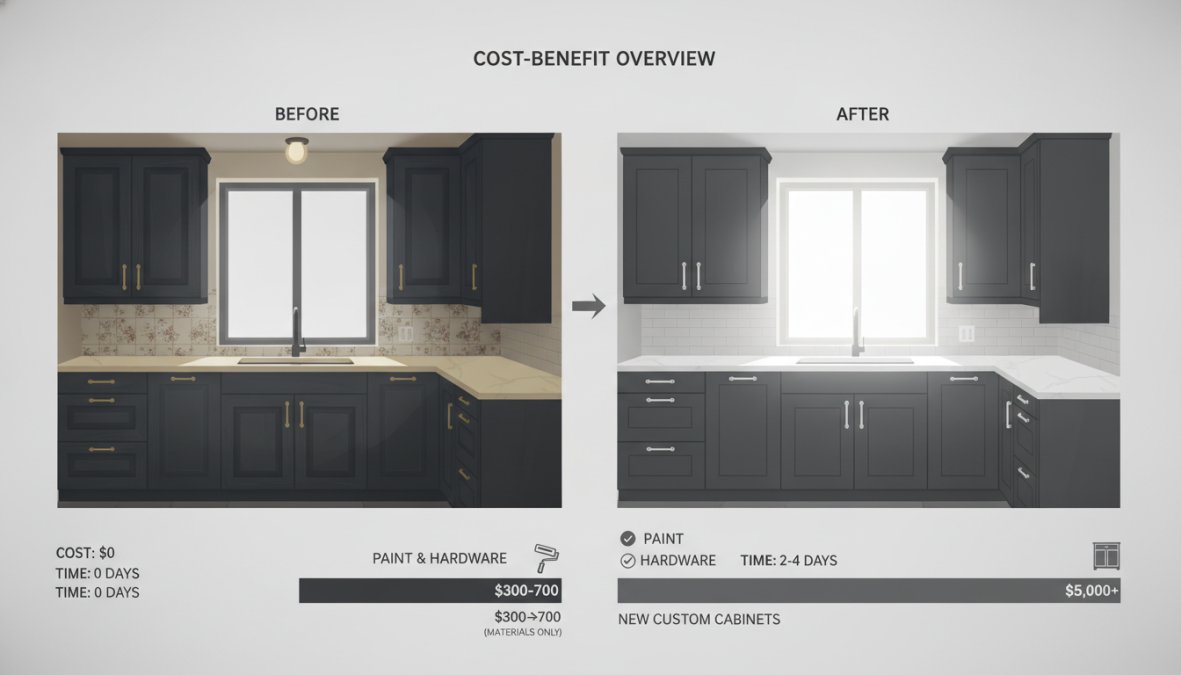
How to Modernize Kitchen Cabinets Cheaply: A Cost-Benefit Overview
Cabinet modernization matters because your kitchen cabinets occupy roughly 40% of your kitchen’s visual real estate. When they look dated, the entire space feels dated. Modernized cabinets make everything around them look fresher and more intentional.
According to the National Association of the Remodeling Industry, kitchen upgrades return 50-80% of their cost in home resale value. Budget-friendly cabinet modernization delivers this return at a fraction of what full cabinet replacement costs. A complete cabinet replacement runs $15,000-$40,000 for a standard kitchen. The methods covered here cost between $500-$3,000 for the same space.
The real advantage is speed and reversibility. A full renovation takes 4-8 weeks and commits you to one aesthetic permanently. Paint, hardware, and backsplash changes take 2-5 days and can be adjusted as your style evolves.
| Strategy | Estimated Cost | Time to Complete | Best For |
|---|---|---|---|
| Cabinet painting | $800-$2,000 | 5-7 days | Maximum visual impact on budget |
| Hardware replacement | $200-$600 | 2-4 hours | Quick refresh with modern pulls |
| Cabinet refacing | $2,500-$5,000 | 3-5 days | Hiding damage while keeping structure |
| Open shelving | $300-$800 | 1-2 days | Creating modern, airy feel |
| Peel-and-stick backsplash | $150-$400 | 4-6 hours | Adding color and pattern instantly |
| Lighting upgrades | $300-$1,000 | 2-4 hours | Brightening space and highlighting cabinets |
| Removing cabinet doors | $0-$200 | 2-3 hours | Dramatic modern transformation |
Best Paint for Kitchen Cabinets: Choosing the Right Finish
The paint you choose determines whether your cabinets look fresh for two years or two decades. Most homeowners make one critical mistake: they use interior wall paint on cabinets. Cabinet surfaces need paint engineered for constant contact, moisture, and wear that regular paint can’t handle.
The best paint for kitchen cabinets falls into three categories: acrylic latex, water-based polyurethane, and oil-based enamel.
Acrylic latex paint offers the fastest drying time (2-4 hours between coats) and minimal odor. It’s beginner-friendly but less durable than oil-based options, showing wear within 3-5 years in high-traffic kitchens.
Water-based polyurethane combines fast drying with superior durability and moisture resistance. It costs 30-50% more than latex but lasts 7-10 years. For kitchens with heavy cabinet use, this investment pays off through longevity.
Oil-based enamel delivers the hardest finish but requires 24-hour drying between coats, strong ventilation, and complex cleanup. For DIY projects, the headaches outweigh the benefits.
For budget-conscious modernization, water-based polyurethane offers the best balance of cost, durability, and ease. Quality brands include Benjamin Moore Advance, Sherwin-Williams ProClassic (water-based), and Behr Premium Plus.
Preparation determines 60% of durability; paint itself is only 40%. Rushing prep work to save time costs you in repainting within 2-3 years.
Primer and Top Coat Preparation
Primer creates the foundation for paint adhesion. Cabinets have glossy factory finishes that paint won’t stick to without primer. Use a bonding primer specifically designed for glossy surfaces like Zinsser Bulls Eye 1-2-3 or Kilz Adhesion. Apply two thin, even coats and allow full cure time between coats.
Apply top coat paint in thin layers rather than one thick coat. Two coats of quality paint beats three coats of budget paint. Thin coats dry faster, level better, and produce a more professional appearance.
Durability vs. Cost: Paint Quality Comparison
Budget paint ($15-$25 per gallon) requires three coats and shows wear within 2-3 years. Mid-range paint ($35-$50 per gallon) offers solid durability for 5-7 years. Premium paint ($60-$85 per gallon) lasts 10+ years.
For a 150-square-foot cabinet surface, the difference between budget and premium paint is roughly $100-$150 in material cost. Premium paint often becomes cheaper when amortized over time: a $150 material difference spread over 10 years costs $15 per year versus repainting every 3 years.
Modern Kitchen Cabinet Hardware Trends: Swapping Knobs and Pulls
Hardware is the jewelry of your cabinets. Changing knobs and pulls from dated brass or ornate designs to modern options creates an immediate visual refresh that costs almost nothing compared to painting.

Current trends favor clean lines and minimalist aesthetics. Bar pulls (long, straight handles) dominate modern kitchens, replacing cup pulls and ornate knobs. Finishes trend toward matte black, brushed brass, and stainless steel.
Hardware is the final detail that signals whether your modernization is complete. Painted cabinets with dated hardware still reads as "updated but not quite there." The same cabinets with modern hardware reads as intentional and current.
Modern hardware trends favor simplicity: bar pulls over knobs, matte finishes over shiny ones, and geometric shapes over ornate designs.
Budget-Friendly Hardware Options That Look High-End
Wayfair, Amazon, and Home Depot stock modern hardware at $2-$8 per pull, compared to $15-$40 at specialty showrooms. The visual difference is minimal. Both look identical from a distance; differences emerge only under close inspection.
Matte black bar pulls from budget retailers look nearly identical to designer versions. Where budget hardware sometimes falls short is in weight and mechanism feel. For cabinets opened dozens of times daily, this matters. For rarely-opened cabinets, budget hardware performs fine.
The practical approach: spend slightly more on hardware for base cabinets and frequently-used upper cabinets ($8-$12 per pull). Use budget hardware on decorative or rarely-opened cabinets ($2-$5 per pull). This hybrid approach delivers modern aesthetics while protecting durability where it matters.
How to Install Cabinet Hardware: Step-by-Step Guide
Installing hardware requires precision but not professional skill. Misaligned pulls look obviously wrong; properly aligned pulls look intentional and professional.
Tools and Materials You’ll Need
- Drill with bits (1/8-inch for pilot holes, countersink bit for screw heads)
- Tape measure (25-foot minimum)
- Pencil for marking
- Template or jig (optional but highly recommended)
- Screwdriver (Phillips head for most hardware)
- Level
- Hardware and screws
The template is the key tool that separates professional results from amateur work. Most hardware manufacturers provide templates showing exact hole placement. Print the template, tape it to your cabinet, and drill through marked holes. This eliminates guesswork and produces perfectly aligned hardware.
Common Installation Mistakes to Avoid
Inconsistent spacing: The distance from cabinet edge to pull center should be consistent across all cabinets of the same type. Measure once, mark all holes, then drill.
Drilling from the wrong side: Drill from inside the cabinet door, not outside. This prevents splintering and gives better control.
Overtightening screws: Cabinet material strips easily. Tighten until snug, then stop.
Inconsistent pull orientation: Ensure all bar pulls face the same direction.
Wrong screw length: Use the length specified by the hardware manufacturer.
How Long Does It Take to Paint Kitchen Cabinets: Timeline and Expectations
The question has two answers: actual working time and total calendar time.
Actual working time for a standard 150-square-foot kitchen is 16-24 hours spread across 5-7 days, including prep and paint application. Most time involves waiting for paint to cure between coats.
Calendar time is longer because paint needs proper drying. Latex dries to the touch in 2-4 hours but requires 24 hours before recoating. Polyurethane takes 16-24 hours between coats. Full cure (maximum hardness) takes 2-4 weeks.
A realistic timeline: Day 1-2 (prep and priming), Day 3 (first coat), Day 4 (second coat), Day 5-7 (hardware installation). Your kitchen is functional within a week but shouldn’t see heavy use for 2-3 weeks while paint fully cures.
Resist the temptation to rush this timeline. Painting over incompletely cured paint creates adhesion problems that ruin your finish.
Opening cabinets before paint fully cures (2-3 weeks) can cause doors to stick or paint to transfer between surfaces. Set a firm “no-use” period and communicate it to everyone in your household.
Additional Budget-Friendly Methods: Refacing, Open Shelving, and Backsplash
Beyond painting and hardware, three additional strategies modernize cabinets while staying within budget.
Cabinet Refacing vs. Painting: Which Offers Better Value
Cabinet refacing involves replacing cabinet fronts while keeping the cabinet boxes. It costs $3,000-$8,000 for a standard kitchen and takes 3-5 days. Unlike painting, refacing hides damage, wear, and imperfections in the original cabinet structure.
Painting costs $800-$2,000 and takes 5-7 days. It works best on cabinets in good structural condition. If your cabinets have significant water damage, dents, or veneer peeling, refacing justifies the investment.
The decision hinges on cabinet condition. Structurally sound cabinets respond beautifully to painting. Damaged cabinets justify refacing.
Adding Open Shelving and Removing Cabinet Doors
Modern kitchens increasingly feature open shelving, removing cabinet doors to display dishes and decorative items. This creates an airy, contemporary feel.
Removing doors is free but requires styling discipline. Open shelves expose everything inside. This works best if you have attractive dishware and are willing to keep shelves organized.
Adding open shelving (installing floating shelves where cabinet doors were) costs $300-$800. The hybrid approach works best: remove doors on upper cabinets (where you display attractive dishes) and keep doors on lower cabinets (where you store less photogenic items).
Peel-and-Stick Backsplash Installation for Instant Impact
A backsplash fills the wall space between countertops and upper cabinets. Traditional tile backsplashes cost $800-$2,000 and require professional installation. Peel-and-stick vinyl backsplash costs $150-$400 and takes 4-6 hours to install yourself.
Peel-and-stick backsplash mimics tile, brick, or marble patterns with printed vinyl. Quality versions from brands like Aspect and RoomMates look surprisingly authentic. Installation is straightforward: clean the wall, measure, cut, and stick.
The limitation: peel-and-stick won’t withstand heavy splashing or grease buildup as well as real tile. It’s best suited for kitchens where the backsplash is more decorative than functional. The visual impact is significant and completes a cohesive modern aesthetic when combined with painted cabinets and modern hardware.
Maintenance and Durability: Protecting Your Modernized Cabinets
Your modernization investment only delivers value if it lasts. Proper maintenance extends the life of painted cabinets, hardware, and backsplash by years.
Cleaning and Care Tips for Painted Finishes
Weekly cleaning: Wipe cabinets with a soft cloth and mild soap solution (one tablespoon dish soap per quart of water). Dry immediately.
Monthly deep cleaning: Use a slightly stronger solution (two tablespoons dish soap) for stubborn grease. Still use soft cloths and dry thoroughly.
Avoid: Abrasive scrubbing pads, bleach, ammonia-based cleaners, and scouring powders. These damage painted finishes.
Hardware care: Wipe hardware with a dry cloth weekly. Once monthly, use a soft cloth slightly dampened with water to remove dust from crevices.
Long-Term Durability and When to Refresh
Quality painted cabinets last 5-7 years with proper care, 7-10 years with excellent care, and 10+ years with premium paint and religious maintenance.
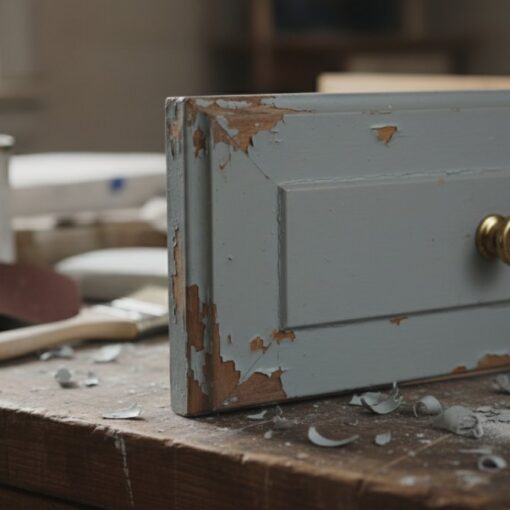
Signs your cabinets need refreshing: paint peeling at edges, visible wear on high-contact areas, discoloration from grease or water damage, or aesthetic preference for a different color.
Refreshing is faster than the original paint job. Light sanding of existing paint followed by two coats of new paint takes 3-4 days and costs $400-$800. Plan refresh cycles into your long-term home maintenance budget. A painted kitchen cabinet refresh every 7-10 years is far more affordable than replacing cabinets every 20 years.
Modernizing kitchen cabinets on a budget isn’t about cutting corners, it’s about prioritizing impact. The methods covered here deliver dramatic transformations for a fraction of full renovation costs. Denver Cabinet Painting Colorado specializes in exactly this work: transforming outdated kitchens with expert cabinet painting, professional hardware installation, and strategic backsplash solutions. With 40 years serving Colorado homeowners, our team delivers the smooth, consistent finishes that distinguish professional work from DIY attempts. Get a free quote today and discover which modernization strategy will deliver the biggest impact for your kitchen.
Frequently Asked Questions
What is the cheapest way to update old kitchen cabinets?
Painting is typically the most affordable method to modernize kitchen cabinets cheaply, costing $300-$1,000 for DIY or $1,500-$3,500 professionally. Swapping hardware (knobs and pulls) costs $100-$300 and provides instant visual impact. Peel-and-stick backsplash adds modern contrast for $50-$200. For best results, combine painting with hardware upgrades to maximize the modernization effect without full replacement.
How long does it take to paint kitchen cabinets yourself?
DIY cabinet painting typically takes 5-7 days total, including sanding, priming, painting, and drying time between coats. Actual hands-on work spans 15-25 hours spread across multiple days. Professional painters complete the job in 3-5 days with faster drying times and multiple coats. Budget extra time if you're inexperienced with primer application and top coat finishing for a smooth, consistent finish.
Can you modernize kitchen cabinets without painting them?
Yes. Swapping cabinet hardware, adding peel-and-stick backsplash, upgrading lighting fixtures, or removing cabinet doors to create open shelving can modernize kitchens without paint. Cabinet refacing (applying new laminate or vinyl to existing boxes) is another non-paint option. However, painted cabinets offer the most dramatic transformation and best cost-to-impact ratio for truly outdated wood or laminate cabinets.
Does modernizing kitchen cabinets increase home resale value?
Yes, modernizing kitchen cabinets typically increases resale value and buyer appeal. A fresh paint finish and updated hardware signal a well-maintained kitchen, often recouping 50-80% of renovation costs at resale. Professional cabinet painting with quality primers and top coats shows durability, while modern color palettes (whites, grays, contrast schemes) appeal to broader buyer demographics. This makes cabinet modernization one of the highest-ROI kitchen upgrades for budget-conscious homeowners.
This article was written using GrandRanker