Table of Contents
- Why Modernizing Dated Kitchen Cabinets on Budget Makes Sense
- Painting Old Kitchen Cabinets on Budget: The Foundation of Transformation
- Hardware for Dated Kitchen Cabinets: Maximum Impact, Minimal Cost
- Refacing Kitchen Cabinets on a Budget: When Full Replacement Isn’t Necessary
- Two-Toned Cabinet Color Schemes and Molding: Elevating Your Kitchen Aesthetic
- Lighting for Dated Kitchen Cabinets: A Simple Modernization Upgrade
- Cost Breakdown: Painting vs. Refacing vs. Replacement
- Durability and Resale Value: What Actually Lasts When Modernizing on Budget
Modernizing Dated Kitchen Cabinets on Budget: 7 Proven Methods
Last Updated: July 19, 2026
Why Modernizing Dated Kitchen Cabinets on Budget Makes Sense
Outdated kitchen cabinets are one of the fastest ways a home loses visual appeal and functionality. Whether you’re dealing with 1980s laminate, worn wood finishes, or hardware that hasn’t been updated in decades, the good news is that modernizing dated kitchen cabinets on budget doesn’t require a full kitchen remodel. At Denver Cabinet Painting Colorado, we’ve spent 40 years helping homeowners and commercial property owners transform their spaces without the six-figure price tag of cabinet replacement. The transformation potential is significant, a strategic cabinet update can completely change how your kitchen feels and functions.
Most people assume their only option is full cabinet replacement, which can easily run $15,000 to $40,000 or more. That assumption leaves countless kitchens stuck in the past. The reality is that with the right approach to modernizing dated kitchen cabinets on budget, you can achieve 80% of the visual impact for a fraction of the cost. This guide covers seven proven methods that work, from simple hardware swaps to professional painting and refacing strategies.
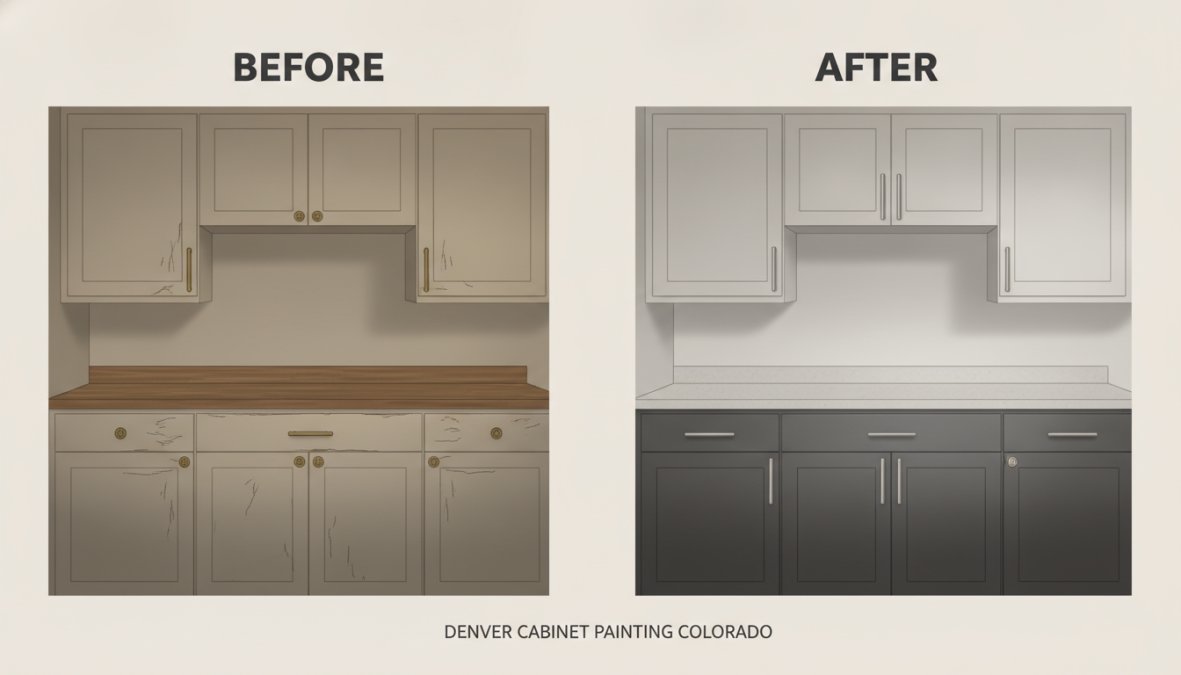
The methods we cover have generated measurable results for hundreds of properties across Colorado. Some work best for minor updates, others for complete visual overhauls. The key is matching your approach to your actual situation, your cabinet condition, your timeline, and your budget constraints.
Painting Old Kitchen Cabinets on Budget: The Foundation of Transformation
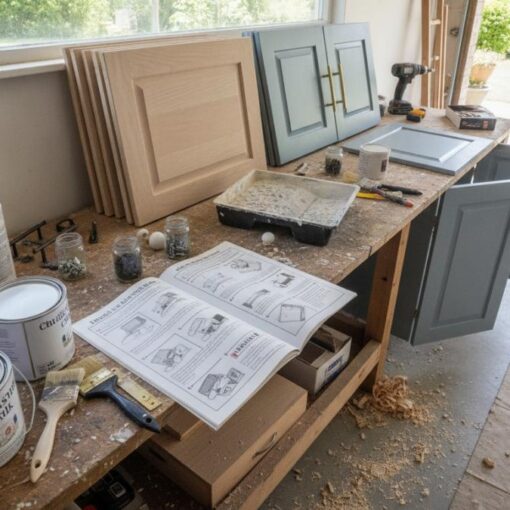
Painting remains the single most effective budget-friendly method for modernizing dated kitchen cabinets. A professional paint job transforms the visual impact while preserving your existing cabinet structure. The difference between a DIY attempt that fails and a professional result that lasts comes down to preparation and material selection.
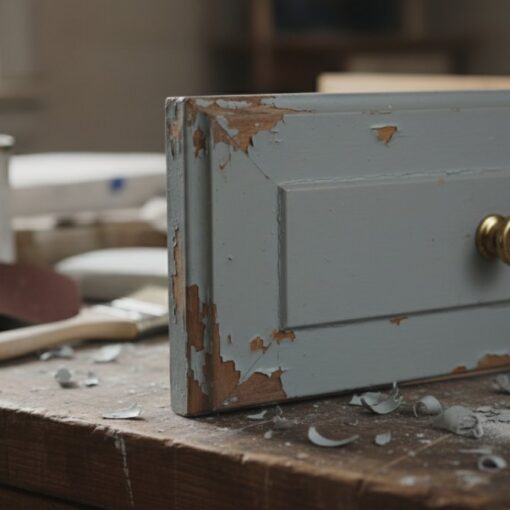
This is where most budget cabinet updates go wrong. People rush through prep work or use consumer-grade paint that wasn’t designed for kitchen humidity and grease exposure. Within six months to a year, the paint starts peeling, bubbling, or showing wear. The customer then feels they wasted money on a temporary fix.
Preparation and Durability: Why Professional-Grade Priming Prevents Peeling
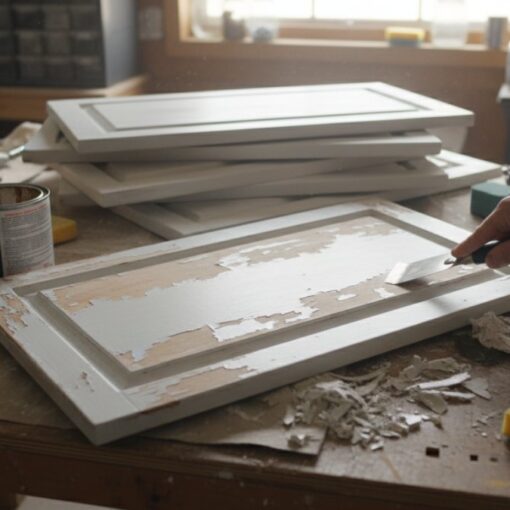
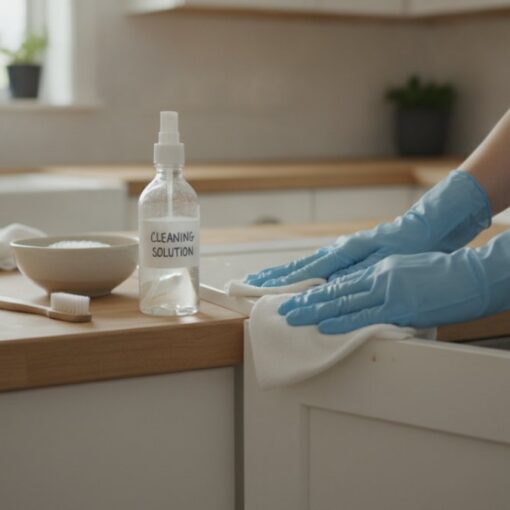
The foundation of any lasting cabinet paint job is meticulous surface preparation. Cabinets accumulate years of grease, dust, and residue that paint cannot adhere to properly. Degreasing with the right cleaner removes this buildup. Sanding creates texture that allows primer and paint to bond mechanically, not just sit on the surface.
Professional-grade primer is non-negotiable. Consumer primers designed for walls simply don’t have the adhesion properties needed for kitchen cabinet surfaces. A quality primer creates a base coat that paint can grip securely, even in high-moisture environments. Many cabinet painters skip premium primers to cut costs, then watch the finish fail within months.
The durability difference is measurable. Cabinets prepped with degreaser, sanded, and primed with professional-grade primer typically maintain their finish for 7-10 years under normal kitchen use. Rushed prep work and consumer primers fail in 1-2 years. That’s not a budget strategy, it’s a false economy.
Paint Finish Options: Satin vs. Semi-Gloss for Long-Term Performance
Satin and semi-gloss finishes both work for kitchen cabinets, but they serve different purposes. Satin finish offers a subtle, modern aesthetic with a slight sheen that hides minor imperfections better than semi-gloss. It’s forgiving during application and resists showing brush marks or dust particles as obviously.
Semi-gloss provides superior durability and moisture resistance. The higher gloss level makes the finish harder and more resistant to humidity, grease splatter, and frequent cleaning. Semi-gloss is the choice when durability is the priority, particularly for cabinets in high-traffic kitchens or commercial spaces.
The trade-off is aesthetic. Semi-gloss has a shinier appearance that some homeowners find too reflective or dated. Modern kitchen design trends favor satin finishes for their softer, more contemporary look. Your choice should balance visual preference with your kitchen’s actual use intensity.
If you’re unsure which finish to choose, test both on a cabinet door in your actual kitchen lighting. The same paint can look dramatically different under your specific lighting conditions. See how each finish catches light throughout the day before committing to the full cabinet set.
Hardware for Dated Kitchen Cabinets: Maximum Impact, Minimal Cost
Cabinet hardware is the jewelry of your kitchen. Updating knobs and pulls is one of the fastest, most affordable ways to modernize dated kitchen cabinets. New hardware costs $100-$300 for an entire kitchen, yet creates immediate visual transformation.
The impact comes from contrast and style coherence. Replacing worn brass pulls from the 1990s with modern brushed nickel or matte black hardware signals an intentional update. Hardware choice also affects functionality, oversized modern pulls feel better in hand than small dated knobs and make opening cabinets easier.
Style matters as much as finish. Cup pulls and ornate hardware read as dated. Bar pulls, ring pulls, and minimalist designs feel contemporary. Consistency across all cabinets matters too, mixing hardware styles creates visual confusion rather than intentional design.
Installation is straightforward for most cabinet doors. If existing hardware holes don’t align with new hardware, you may need to fill old holes and drill new ones. This requires basic tools and takes 30 minutes to an hour per cabinet. For commercial properties or large kitchen overhauls, professional installation ensures precision and saves time.
Refacing Kitchen Cabinets on a Budget: When Full Replacement Isn’t Necessary
Cabinet refacing replaces cabinet doors and drawer fronts while keeping the existing cabinet boxes in place. This method works when your cabinet structure is sound but the appearance is dated. Refacing costs significantly less than replacement because you’re not removing and rebuilding the entire cabinet infrastructure.
The refacing process involves removing existing doors and drawer fronts, then installing new ones. You can also add new veneer to the cabinet boxes themselves, though this is optional. New hardware is typically installed during refacing, completing the modernization.
Refacing works best when your existing cabinets are structurally solid. If hinges are broken, boxes are warped, or interior shelving is damaged, refacing only addresses the appearance, the underlying problems remain. Assess your cabinet condition honestly before committing to refacing.
Vinyl Wrap vs. Laminate: Budget-Friendly Refacing Options
Vinyl wrap is an increasingly popular refacing material that applies adhesive-backed vinyl directly to cabinet surfaces. It’s affordable, durable, and available in countless colors and wood-grain finishes. Vinyl wrap installation requires precision to avoid bubbles and wrinkles, but the material itself is forgiving and can be removed without damaging underlying wood.
Laminate refacing involves applying laminate sheets to cabinet doors and boxes. Laminate is extremely durable and resistant to moisture and grease. The downside is that laminate edges require banding to look finished, and the material can look obviously laminated rather than like solid wood or painted surfaces.
Vinyl wrap creates a more seamless, finished appearance. Laminate is more durable but visually reads as laminate. For budget-conscious updates, vinyl wrap offers better aesthetics at lower cost. For maximum durability in commercial kitchens, laminate justifies the additional expense.
Poor vinyl wrap installation creates visible bubbles, wrinkles, and peeling edges within months. This is not a DIY-friendly material unless you have experience. Professional installation costs more upfront but prevents costly rework and ensures the wrap lasts 5-7 years as intended.
Two-Toned Cabinet Color Schemes and Molding: Elevating Your Kitchen Aesthetic
Two-toned cabinets, typically pairing a darker lower cabinet color with a lighter upper cabinet color, create visual interest and depth. This design trend modernizes even dated cabinet structures because the color contrast feels intentional and contemporary.
The strategy works by breaking up the visual mass of cabinets. Lower cabinets in navy, charcoal, or espresso paired with upper cabinets in white, cream, or light gray create a modern, balanced aesthetic. The contrast draws the eye and makes the kitchen feel more designed than monochromatic cabinets.
Adding molding or trim to cabinet edges and tops elevates the entire aesthetic. Crown molding along the top of upper cabinets adds architectural detail that signals quality and intentionality. Light rail trim at the bottom of lower cabinets creates visual grounding. Molding costs $200-$600 for a typical kitchen but creates a custom, high-end appearance.
The combination of two-toned paint and added molding transforms dated cabinets into a contemporary kitchen focal point. This approach works particularly well when paired with professional-grade painting and new hardware.
Lighting for Dated Kitchen Cabinets: A Simple Modernization Upgrade
Under-cabinet lighting is a modernization upgrade that costs $150-$400 yet dramatically improves both function and aesthetics. LED strip lighting installed beneath upper cabinets illuminates countertops and creates ambient lighting that makes the entire kitchen feel more contemporary.
Lighting serves dual purposes. Functionally, it provides task lighting for food preparation and cooking. Aesthetically, it highlights cabinet details, wood grain, or paint finishes and creates a warm, inviting atmosphere. Modern kitchens typically include under-cabinet lighting, its absence signals an outdated space.
Installation requires running electrical wire from an outlet or light switch to the cabinet underside, then mounting LED strips. For kitchens without existing wiring, surface-mounted LED strips with plug-in power cords offer a no-wire-run alternative. The visual impact justifies the modest investment.
Cost Breakdown: Painting vs. Refacing vs. Replacement
Understanding the cost relationship between methods helps you make a realistic decision for your situation.
| Method | Typical Cost Range | Timeline | Best For | Longevity |
|---|---|---|---|---|
| Professional Painting | $2,000-$5,000 | 5-7 days | Sound cabinets needing visual refresh | 7-10 years |
| Hardware Update Only | $200-$400 | 1-2 days | Quick modernization with minimal investment | 10+ years |
| Vinyl Wrap Refacing | $4,000-$8,000 | 3-5 days | Worn doors/fronts, sound boxes | 5-7 years |
| Laminate Refacing | $5,000-$10,000 | 5-7 days | High-durability needs, commercial spaces | 10-15 years |
| Cabinet Replacement | $15,000-$40,000+ | 2-4 weeks | Structural damage, complete redesign needed | 15-25 years |
Professional painting offers the best cost-to-impact ratio for most homeowners. You’re paying for expertise, materials, and labor, not structural replacement. For cabinets in good condition, painting delivers 80% of the visual transformation at 15-25% of replacement cost.
Refacing splits the difference. You’re replacing visible surfaces without the expense of removing and rebuilding cabinet boxes. This method works when your cabinet structure is solid but appearance is dated.
Replacement is justified only when cabinets are structurally compromised, hinges are failing, or you want a complete kitchen redesign. The cost difference is substantial enough that you should exhaust other modernization methods first.
For most dated kitchen cabinets, professional painting plus hardware updates delivers the highest return on investment. You’re looking at $2,500-$5,500 total for a complete visual transformation that lasts 7-10 years. This approach beats replacement by $10,000+ and beats DIY painting that fails within 12-24 months.
Durability and Resale Value: What Actually Lasts When Modernizing on Budget
The difference between a modernization that lasts and one that fails comes down to preparation, materials, and professional execution. According to industry standards for cabinet finishing, professional-grade preparation and materials deliver 7-10 year durability, while consumer-grade approaches typically fail within 18-36 months.
Resale value impact varies by method. A kitchen with professionally painted cabinets and updated hardware reads as well-maintained and contemporary to home buyers. This translates to measurable appeal in real estate transactions. Peeling paint or visibly worn cabinets signal deferred maintenance and reduce buyer confidence.
The durability question matters because a failed cabinet update is worse than no update. If you paint your cabinets poorly and they fail within a year, you’ve wasted money and created a maintenance headache. Professional painting costs more upfront but delivers durability that justifies the investment.
For rental properties or flips, professional-grade finishes are essential. Buyers and renters notice peeling paint immediately. A smooth, consistent professional finish signals quality and reduces negotiation pressure. This is where Denver Cabinet Painting Colorado’s 40 years of experience in Colorado becomes valuable, we understand the climate challenges that affect cabinet durability, from dry mountain air to seasonal humidity swings.
The resale value impact of cabinet modernization is real but modest. A $3,000 cabinet painting investment might add $5,000-$8,000 to perceived home value, depending on your market and kitchen condition. This isn’t a direct dollar-for-dollar return, but it’s a meaningful improvement in buyer perception and negotiating position.
Modernizing dated kitchen cabinets on budget is achievable when you match your approach to your cabinet condition and timeline. Professional painting delivers the best return on investment for sound cabinets. Hardware updates and lighting create immediate visual impact at minimal cost. Refacing works when cabinet boxes are solid but doors are worn. The key is avoiding false economy, rushing through preparation or using consumer-grade materials creates a failed update that costs more to fix than doing it right the first time. Denver Cabinet Painting Colorado specializes in transforming outdated kitchens with meticulous preparation and professional-grade finishes that last. Our team delivers smooth, consistent results that modernize your space without the expense of full cabinet replacement. Get a free quote today and discover how much your kitchen can transform.
Frequently Asked Questions
We tried painting our cabinets ourselves and it started peeling within months. How do I know a professional approach will actually hold up?
Peeling typically results from skipping critical prep steps: inadequate sanding, missing primer, or using incorrect paint types. Professional cabinet painting starts with thorough degreasing and sanding to bare wood or existing finish, followed by quality primer application. The paint finish (satin or semi-gloss) bonds properly only when substrate preparation is meticulous. Professional-grade primers and paints are formulated for kitchen environments, they resist moisture, heat, and daily wear far better than consumer-grade alternatives. Proper application technique and curing time also matter significantly. When these steps are followed, cabinet finishes typically last 7-10+ years with normal use.
What's the actual cost difference between refinishing cabinets versus replacing them entirely?
Painting or refacing typically costs a fraction of full replacement. Replacement involves new cabinetry, installation labor, countertop modifications, and potential plumbing/electrical work. Refinishing, whether through painting, staining, or refacing with vinyl or laminate, preserves existing cabinet boxes and only updates visible surfaces. This approach delivers modern aesthetics at significantly lower cost. The exact savings depend on your cabinet quantity, chosen finish, and complexity. For a detailed cost comparison tailored to your specific kitchen, a professional quote will provide accurate numbers based on your project's scope and materials.
Can you actually make 1980s cabinets look modern, or should I just replace them?
Dated cabinets can absolutely be modernized affordably through strategic updates. A fresh paint color, updated hardware, two-toned schemes, or added molding transform 80s-style boxes into contemporary-looking cabinetry. Refacing with vinyl wrap or laminate offers an even more dramatic transformation while maintaining structural integrity. The key is choosing finishes and colors aligned with current design trends, soft whites, grays, navy, or two-tone combinations work well. If cabinet boxes are structurally sound with no water damage or warping, refinishing delivers modern results without replacement costs. Full replacement is only necessary if cabinets are damaged beyond repair.
How long does the modernizing process take, and can I use my kitchen during the work?
Professional cabinet painting typically takes 1-2 weeks depending on kitchen size and complexity, though timeline varies. The process includes preparation (degreasing, sanding), primer application, paint coats, hardware installation, and curing time. Most work happens during daytime hours. While cabinets cure, you'll have limited kitchen access, though some companies coordinate scheduling to minimize disruption. Refacing projects follow a similar timeline. Full cabinet replacement can take 3-4 weeks or longer. Discuss your kitchen usage needs with your service provider, many can work around your schedule and offer temporary solutions to keep your kitchen partially functional during the project.
How does modernizing dated kitchen cabinets on budget impact home resale value?
Updated cabinetry significantly improves kitchen appeal to buyers, often recouping 50-80% of the investment at resale. A modernized kitchen is one of the first things potential buyers notice and evaluate. Fresh paint, updated hardware, and contemporary finishes make dated cabinets appear newer without the cost of replacement. Two-toned schemes and improved lighting add visual interest. Professional, durable finishes are crucial, buyers can spot poor-quality paint jobs immediately, which damages perceived value. When done right, cabinet modernization delivers strong ROI because it transforms the kitchen's appearance affordably. This is particularly valuable for rental properties or homes where full kitchen remodeling isn't feasible.
This article was written using GrandRanker